What is Software as a Service (SaaS) in Cloud Computing? Your Ultimate Guide
Introduction
With software rentals, you only pay for the apps you really use, much like Netflix where you don’t need to own DVDs. In other words, that’s what Software as a Service (SaaS) is all about. In this guide, we’ll explain what SaaS is and how it is helping both businesses and individuals gain access to technology.
What is SaaS? A Simple Definition
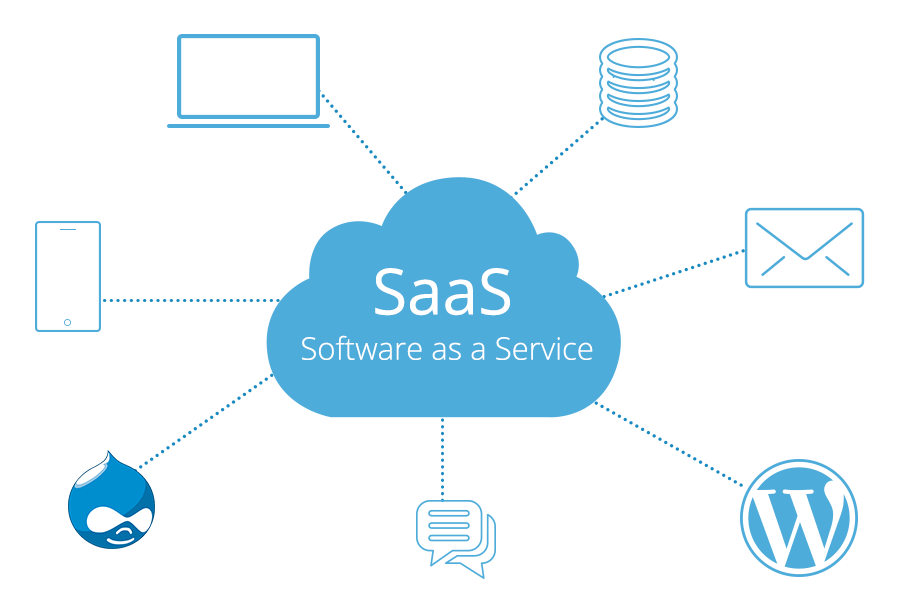
With SaaS, you access applications over the internet by paying a subscription, rather than needing to set them up on your computer. Rather than buying a license, users use tools that are available on distant servers. Gmail, Zoom and Salesforce serve as examples. SaaS, IaaS and PaaS are the three main parts of cloud computing, each offering exceptional flexibility.
Key Characteristics of SaaS

On-Demand Self-Service
Getting an account and using SaaS apps is quick and doesn’t require a lot of setup. It can be as easy as ordering a pizza online—you don’t have to contact support.
Reaching the site through the Internet
You can use SaaS tools on any device as long as you have a web browser and internet access. The tool is designed to help remote teams that collaborate when their working hours are not the same.
Subscription-Based Pricing
You can pick a monthly or annual plan which means you pay for computing power over time instead of all at once. If your needs change, you can easily change your plan.
Automatic Updates
Say goodbye to manual patches. Providers roll out updates seamlessly, ensuring you always use the latest version.
Multi-Tenant Architecture
Multiple users can share the same infrastructure securely this will help in reducing costs while maintaining data privacy.
How Does SaaS Work?
The infrastructure used by SaaS comes from cloud providers such as AWS and Google Cloud. Let’s look at how the workflow functions.
Provider Manages the Software The app works on servers that are not part of your company.
You can access User Access through a browser or an app. You won’t need to install any software.
All data is kept in the cloud, so it can be accessed anywhere at any time.
Providers manage everything related to security, server up-time and software updates.
Advantages of SaaS
Cost Savings
User don’t need to buy any hardware or software outright.
Predictable expenses in the cost of operating.
Slack is used by a startup instead of them developing their own internal communication system.
Global Accessibility
Be mobile with your work—it’s perfect for hybrid setups.
Working together in real time by using Google Docs.
Effortless Scalability
You can add users or features in just a few moments.
A Shopify e-commerce site adds extra server power when there is a holiday sale.
Zero Maintenance
Providers manage security, backups, and compliance.
Focus on core business, not IT headaches.
Challenges of SaaS
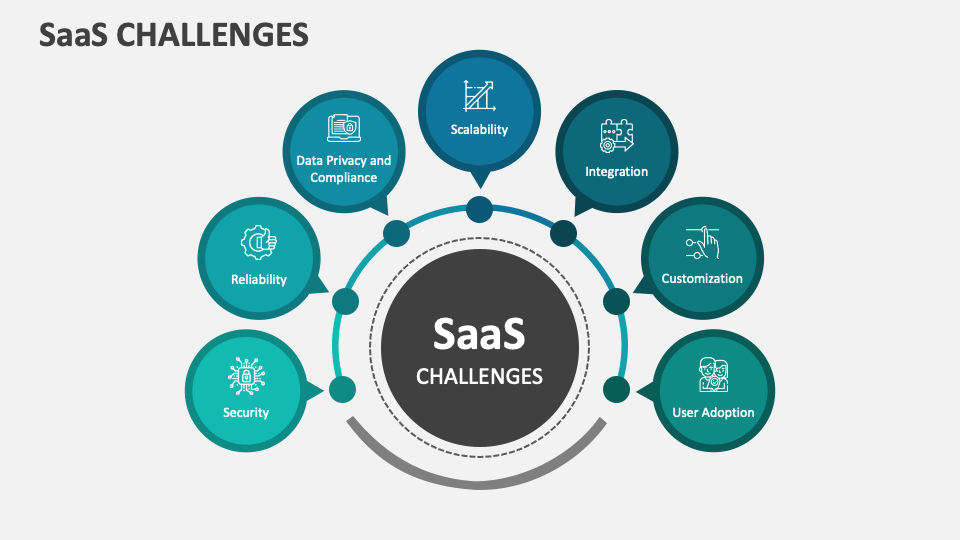
Internet Dependency
You might not always be able to access data offline, but now Google Workspace allows you to save files for offline use.
Data Safety Issues
Keeping sensitive information anywhere other than your workplace needs trust. Make sure the company you choose has achieved ISO certifications and uses encryption.
Limited Customization
Not all SaaS apps address special needs. Yet, Salesforce provides you with add-ons that you can mix and match.
Vendor Lock-In
Moving your data from one provider to another is not always easy. Make sure the vendor you choose allows you to move your data.
Real-World SaaS Examples
Microsoft 365 gives you Word and Teams to help you work effectively without being in the office.
Salesforce a top CRM company supporting businesses in working with their customers.
Zoom Changed the way people conducted virtual meetings when the pandemic hit.
Shopify makes it possible for anyone to set up an online store without needing to code.
Choosing the Right SaaS Provider
Identify the software you need by asking if you want CRM, accounting or project management tools.
Review if a vendor shows a GDPR, HIPAA or SOC2 certification.
Ensure that the technology will work well with the tools you are using currently (e.g., in workflow automation, use Zapier).
You’ll get round-the-clock support and a guarantee that your site will be online 99.9% of the time.
Be transparent about all pricing. Begin by using free trials.
The Future of SaaS
AI-Powered SaaS: ChatGPT and similar tools connect with SaaS apps to give everyone a personalized journey.
Vertical SaaS: Solutions created for individual areas of business (like Veeva for the healthcare sector).
Edge Computing: By spreading cloud resources around to different locations, Edge Computing lets you process data more quickly.
Hybrid Models: Some regulated industries mix SaaS products with local solutions to meet their needs.
Conclusion
SaaS is much more than a passing fad—it’s what software will become in the future. Because it provides flexibility, cost savings and new solutions, it allows companies of any size to compete worldwide. Whether you are new to SaaS or trying to make your current setup better, ensure that your tools match your company’s goals and how you work.


